|
METODORF.COM
Interactive Portal-Book of Delf-Development Methods
|
|
Events and Holidays / Halloween: The Night When the Boundary Between Worlds Blurs
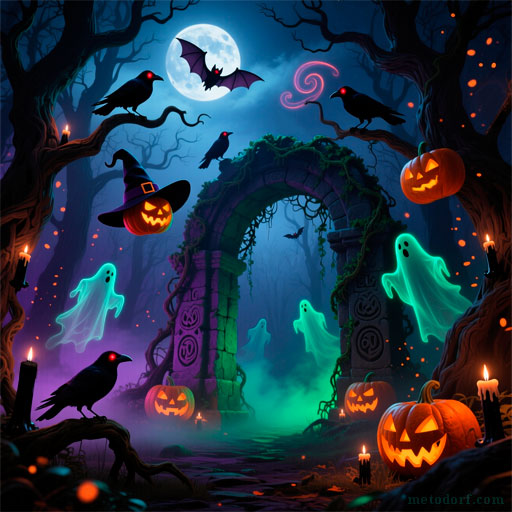
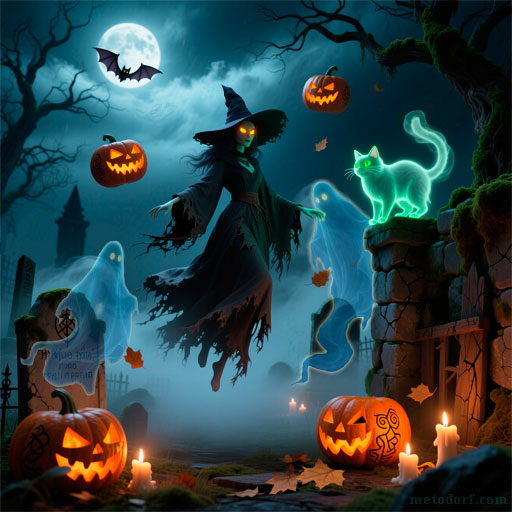
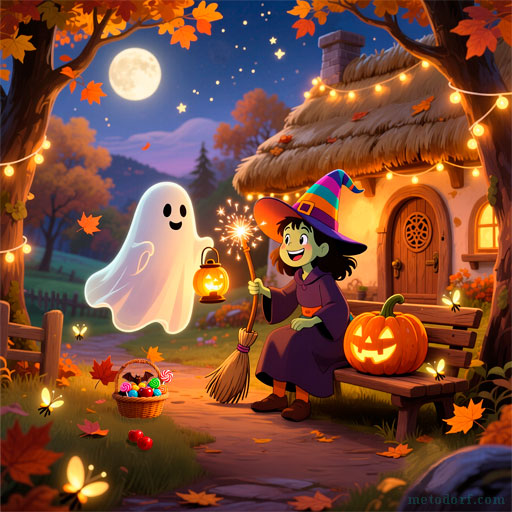
Halloween: The Night When the Boundary Between Worlds Blurs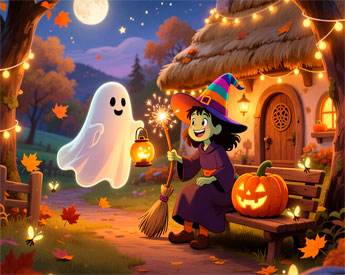 Listen carefully… Somewhere outside, fallen leaves rustle, in the darkness pumpkin grins flicker, and the sweet scent of fear and cinnamon lingers in the air. This is not just an autumn evening — this is All Hallows' Eve, the most mystical and fun night of the year — Halloween! From Celtic Bonfires to American Candy: A Millennium-Long JourneyTo understand the essence of Halloween, we must travel back 2000 years to the lands of modern Ireland, Scotland, and England. Here lived the Celts, whose year was divided into only two seasons — summer and winter. Their festival Samhain was celebrated on November 1st and marked the end of the harvest and the arrival of dark, cold winter. The Celts believed that on the night before Samhain (from October 31 to November 1), the veil between the worlds of the living and the dead became thin as a spider's web. Spirits, fairies, and other supernatural beings would slip into our world. To scare them away, people extinguished hearths in their homes and gathered around huge bonfires, making sacrifices to the gods. Wearing animal skins and scary masks, they "pretended" to be spirits so that the real ones would accept them as their own and not harm them. With the arrival of Christianity, pagan traditions intertwined with church ones. All Saints' Day overlapped with Samhain, and its eve became known as Hallow Evening, which over time shortened to the familiar Halloween. Halloween was brought to America by Irish immigrants in the 19th century, fleeing the potato famine. It was here that it transformed into the massive, bright, and commercial holiday we know today. Symbols of the Night: Why Pumpkins and Why Do We Shout "Trick or Treat!"?Every element of Halloween echoes an ancient legend. Jack-o'-LanternThe most recognizable emblem of the holiday. Irish legend tells of a cunning farmer named Jack who twice deceived the Devil and bargained for a promise not to take his soul to hell. But for his sins, Jack couldn't enter heaven either. He was doomed to wander the earth with a smoldering coal that he placed in a hollow turnip to keep it from going out. When the tradition came to America, the turnip was replaced by the more accessible and easier-to-carve pumpkin. "Trick or Treat!"This fun tradition of begging for sweets echoes medieval English practice when the poor would go from house to house on All Saints' Day asking for "soul cakes" in exchange for prayers for the souls of the homeowners' deceased relatives. The "trick" was originally a joke or minor mischief that children could play if they were denied treats. CostumesDirect heritage of Celtic Samhain, when people dressed up as monsters to blend in with the crowd of wandering spirits. How to Truly Celebrate Halloween?Halloween is a holiday where you can let your imagination run wild!
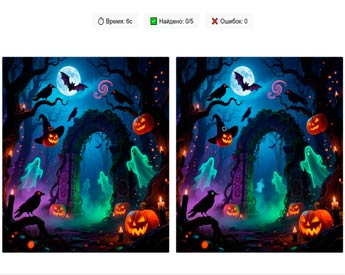
Halloween is not about real horror. It's about fun, laughter through shivers, and the opportunity to playfully touch the mysterious. It's the night when you can pretend to be anyone, eat extra candy, and joyfully say: "Let there be a little magic in this night!" Studying cultural traditions like Halloween helps broaden your horizons and find new sources of inspiration for self-development. Every holiday is an opportunity to learn something new about the world and yourself! Pictures for the "Spot the Differences" Trainer in Honor of Halloween
Material prepared by: © metodorf.com Events and Holidays / Halloween: The Night When the Boundary Between Worlds Blurs Comment block No one has left comments here yet, be the first! Leave a comment:
You may be interested in:: Advertisement:
|
|
© 2014 - 2026 Oleg Akvan metodorf.com
All rights reserved! |